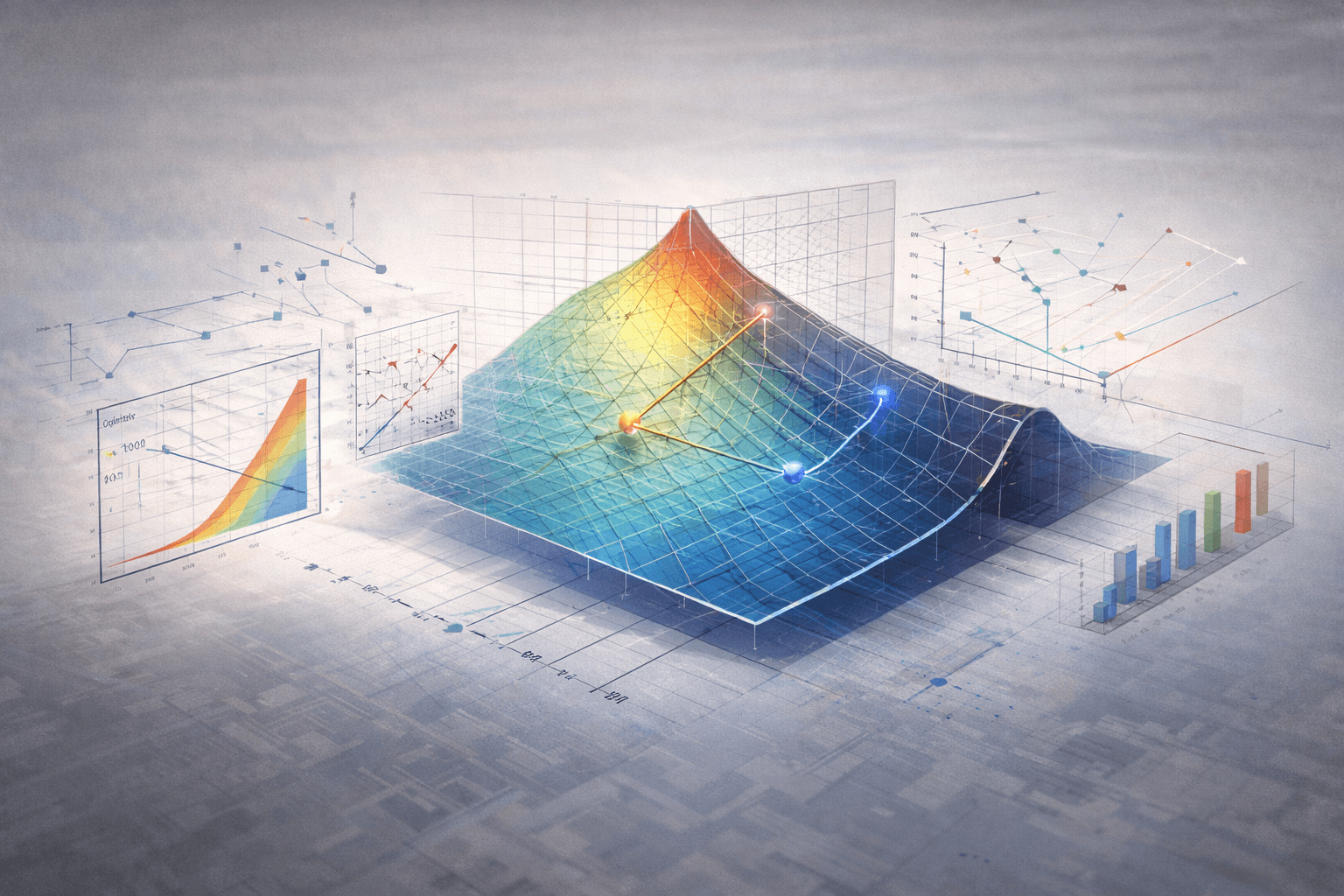
Space environments: DSMC/CFD plume modeling and multiphysics interactions
When vacuum plume interactions drive risk to surfaces, sensors, or thermal behavior, analysis can prevent mission surprises.
Updated: 2026-01-02 · ~5 min read
The situation
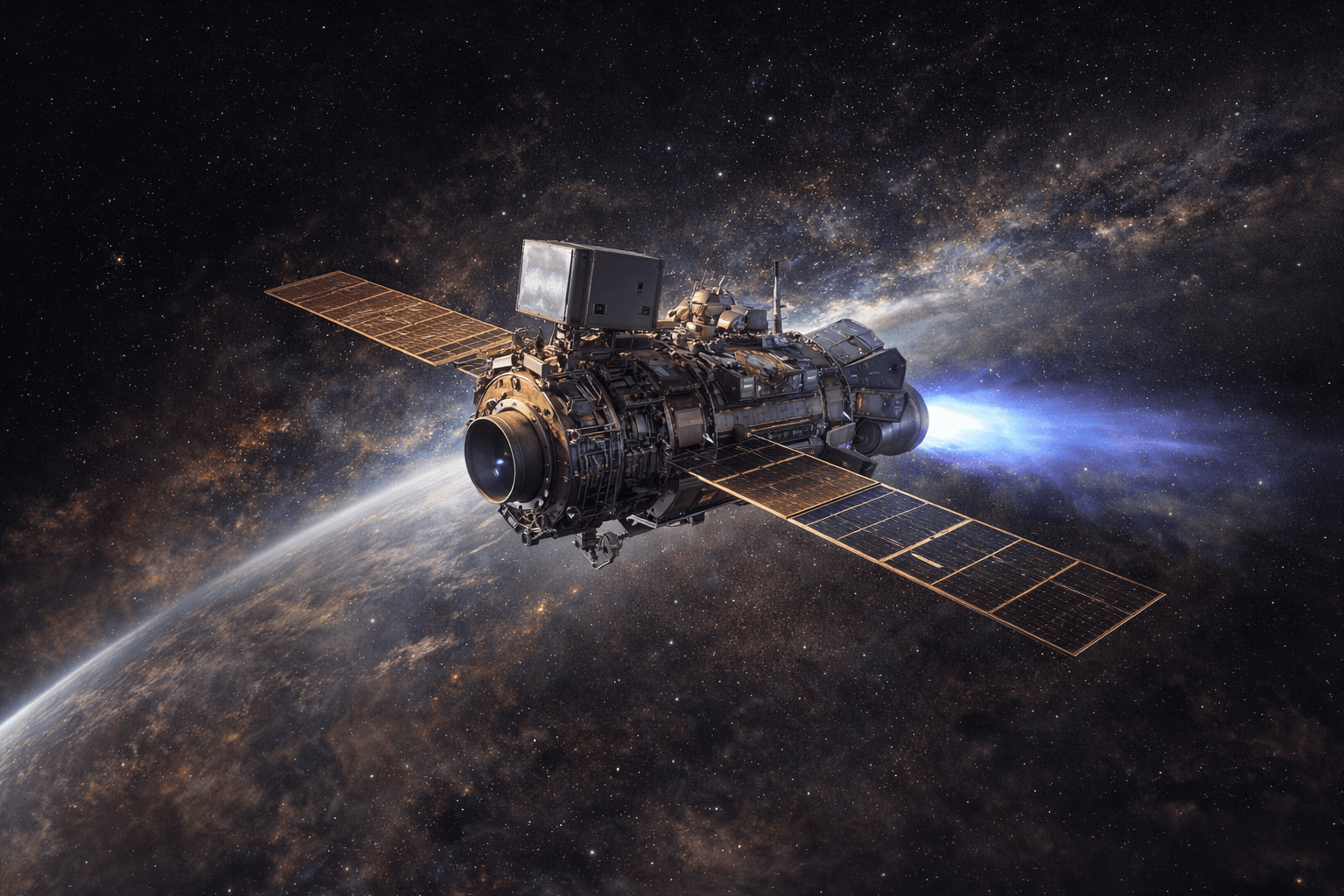
Space systems operate where intuition can fail: rarefied flows, plume impingement, contamination risk, and complex thermal coupling. Testing is limited, and conservative margins can be costly.
Why it matters
Without defensible performance understanding, teams risk:
- Mission risk from unmodeled plume-surface interactions
- Overly conservative design that increases mass and cost
- Late-stage integration issues with sensors, optics, or thermal control
- Surprises that are expensive or impossible to correct post-launch
What analysis changes
A focused simulation study can help answer decision-level questions such as:
- Characterize plume expansion and impingement trends
- Identify sensitive orientations and operational envelopes
- Evaluate thermal/force impacts at decision-relevant fidelity
- Produce defensible rationale for design and operations constraints
Typical approach
- Define the decision: acceptable envelope, component placement, or operational constraints.
- Select the right method (DSMC vs. continuum CFD vs. hybrid) based on regime.
- Run targeted cases to map worst-case behaviors and sensitivities.
- Summarize conclusions in decision-ready guidance.
Deliverables
- Plume interaction characterization (trends + sensitivities)
- Surface impact estimates at appropriate fidelity
- Documented assumptions and uncertainty bounds
- Operational recommendations / design constraints
Common pitfalls
- Using continuum methods outside validity without stating limitations
- Treating one case as worst-case without bounding parameters
- Missing coupling pathways (thermal, contamination, forces)
Learn more about what we help resolve and how engagements work.
FAQ
When do you need DSMC?
When rarefaction is high and continuum assumptions break down; method selection must match regime.
Is this only about propulsion?
No—plume interactions often affect thermal, contamination, and sensor performance.
What's the key deliverable?
A defensible envelope and constraints that reduce mission risk.
Tags: